







New boat sales have plateaued, but rising demand for berths, charters, and subcontracting underscores the sector’s evolving growth potential

  • portugal

    Berth demand outpaces growth
  • Short-trip charters dominate market
  • Regulatory ease boosts business

In the wake of the Covid-19 boom, Portugal’s boating market has settled into a more measured – if subdued – pace. The surge in post-pandemic enthusiasm has levelled out, with sales figures now largely mirroring those of the previous year. Still, Portugal’s maritime sector remains distinct from its larger Mediterranean neighbours, shaped by local dynamics and emerging trends.

According to Martinho Fortunato, a leading voice in the industry, new boat sales have cooled since their pandemic-era peak, with the market stabilising rather than declining.

However, while sales have plateaued, demand for marina berths is rising sharply. High occupancy rates are being driven by a shortage of new marina developments and an influx of international boat owners choosing Portugal as a home base. The country’s appeal lies not only in its natural beauty and temperate climate but also in its reputation for being safe, welcoming, and relatively affordable.

One area seeing robust growth is the charter sector, particularly along Portugal’s tourist-heavy coastlines. Unlike the Mediterranean charter model, which typically involves longer bookings, the Portuguese market is dominated by short excursions – half-day or full-day trips, often with crew. These vessels cater primarily to tourists and operate multiple times a day, offering dolphin watching, diving, and scenic coastal cruises. Bareboat charters, where clients rent without a crew, make up only about 10% of this market. 

“Portugal’s potential as a boat building and subcontracting hub is slowly gaining attention”

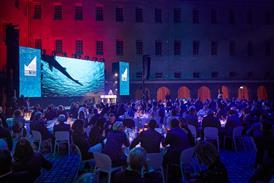
Boat shows remain key events for the industry. Portugal hosts two major shows: the Lisbon Boat Show in March, held indoors, and the Vilamoura Boat Show in June, an on-water showcase focused primarily on dealer inventory and brokerage.

On the regulatory front, Portugal has made notable progress. Setting up a marine business has become faster and more efficient, while boat operating licenses are easier to obtain. The country also benefits from a straightforward tax regime, aligned with broader EU standards, without imposing special levies on boat ownership.

Economically, Portugal is showing resilience. While other markets feel the strain of inflation and geopolitical uncertainty, the Portuguese boating sector is experiencing modest but steady growth. The country’s image as a friendly, stable, and secure destination continues to attract foreign buyers and business owners.

Traditional craftsmanship also remains a part of the local identity. Some Portuguese builders continue to produce classic custom wooden sailing vessels for wealthy northern European and Scandinavian clients – blending heritage with modern design.

Meanwhile, Portugal’s potential as a boat building and subcontracting hub is slowly gaining attention. Despite its clear advantages – favourable weather, competitive labour costs, and a strategic location for distribution across Europe – the sector has yet to reach full momentum. While a number of international firms have begun setting up production facilities, and domestic builders are expanding, growth has been more modest than anticipated.

Subcontracting holds significant promise, but real expansion will likely depend on greater investment and long-term strategic commitment.