









The denial came Friday while the same interested parties await final version of a nearly identical measure aimed at protecting the North American right whale (NARW)

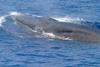
In what can only be seen as a major victory for the recreational and commercial boating and fishing industries, the US National Oceanic and Atmospheric Administration (NOAA) Fisheries division has denied a petition from several conservation organisations to establish a mandatory 10kt speed limit and other vessel-related restrictions to protect endangered Rice’s whales in the Gulf of Mexico and will not proceed with rulemaking at this time.

“We are denying the petition because we are prioritising other conservation actions for Rice’s whales: finalising critical habitat for the species, conducting additional vessel risk assessments, and developing a recovery plan for the species,” NOAA Fisheries wrote in its news release.

The denial came Friday while the same interested parties are awaiting the final version of a nearly identical measure aimed at protecting the North Atlantic right whale (NARW) that stakeholders say will have major negative economic implications along vast swaths of the US Eastern seaboard.

In a major reversal from the rules making process for the NARW, which was widely criticised by stakeholders and elected officials alike as NOAA failed to solicit input from impacted parties before issuing its proposed rule for public comment, NOAA Fisheries wrote: “We also agree with the commenters who stated that education and outreach should occur with fishermen, vessel operators, and other stakeholders to discuss voluntary protection measures, before considering regulatory measures.”

A public comment period on the petition was conducted between early April and Early July of this year, with well over 75,000 comments received.

“The recreational fishing and boating community sounded the alarm when these misguided restrictions were first requested, and tens of thousands of us spoke up – loud and clear – in formal comments and outreach to Congress,” said Jeff Angers, president of the Center for Sportfishing Policy in a National Marine Manufacturers Association (NMMA) statement responding to an IBI request for comment late Friday.

Industry officials have been notified by NOAA that the final NARW rule will be different from what was originally released, but no one is willing to speculate at this time how the Rice’s whale change may bode for its Atlantic cousin.

“We welcome this approach by NOAA, in which they listened to all stakeholders, including the recreational boating and fishing industries, and committed to using the latest science to inform their rulemaking,” said NMMA president Frank Hugelmeyer. “We will continue to engage NOAA and work with lawmakers on both sides of the aisle to find ways to protect the right whale that do not come at the expense of American livelihoods.”

And while no proposed rule will be forthcoming for the Rice’s whale, the matter remains active.

“NOAA Fisheries is undertaking additional conservation and recovery actions, including finalising the critical habitat designation for Rice’s whales, developing a draft Rice’s whale recovery plan, implementing Deepwater Horizon restoration projects, conducting additional vessel risk assessments, and developing conservation measures during the Endangered Species Act section 7 consultation process with other Federal agencies,” NOAA advised in its release.

The affected industries have been looking at technological solutions to the issue of reducing the risk of all whale strikes and are cautiously optimistic that a new level of cooperation and communication between stakeholders and NOAA could improve the rulemaking process going forward.