



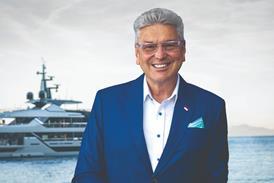


President Ramaphosa delivered the keynote address at the African Growth and Opportunity Act (AGOA) forum in Johannesburg on Friday

South African President Cyril Ramaphosa has added his voice to African leaders calling for the early renewal of US legislation that allows many sub-Saharan nations duty free access to the US market, South African media reported at the weekend.

Ramaphosa delivered the keynote address at the African Growth and Opportunity Act (AGOA) three-day forum in Johannesburg on Friday, attended by about 2,000 delegates.

“We would like you to look at the extension or renewal of AGOA for a sufficiently lengthy period for it to act as an incentive for investors to build new factories on the African continent,” Ramaphosa said in a report published in the Sunday Times newspaper.

“They can build factories with confidence that they will have offtake agreements because what often happens with business is you know you have a market, your offtake agreement becomes a lot easier to build more capacity, factories and more products,” Ramaphosa said.

In recent months US government trade representatives have reiterated support for South Africa’s eligibility for Agoa, despite a brief diplomatic skirmish prompted by accusations that South Africa may have provided arms to Russia. South Africa denied the allegation and appointed an independent investigation that could find no evidence in support of the alleged arms shipment.

South Africa is by far the biggest beneficiary of AGOA, to the tune of exports valued at US$3.6bn last year, according to info supplied by US secretary of trade Katherine Tai. The South African Boat Builders Export Council (SABBEX) is among many local stakeholders hoping for speedy renewal of the important trade benefit.

According to the Sunday Times, US delegates at the weekend forum raised concerns about persistent electricity load shedding that continues to bedevil the South African economy, including many boatbuilding yards which have had to invest in back-up power supply. Stable, consistent energy supply is a critical component in maximising productivity for any company.

“I would say this is a concern for companies generally because it can contribute to the cost of doing business and the uncertainty of what that cost horizon looks like,” Tai said.