





As the US recreational boating and fishing communities are awaiting the National Oceanic and Atmospheric Administration (NOAA) final rule aimed at reducing North Atlantic right whale (NARW) vessels strikes, the industry is keeping attention and pressure on the issue before elected officials, the latest in the form of a briefing to the Congressional Boating Caucus (CBC).

“We try to help Members of Congress and their staffers understand through the briefing so that they can be better equipped to address this moving forward,” explained Michael Waine, Atlantic Fisheries Policy Director for the American Sportfishing Association (ASA),” during an interview with IBI.

Waine also served as the lead analyst on the NARW comment letter issued to counter NOAA’s proposed rule language issued earlier this year and pointing out the flaws in the science and lack of stakeholder input early in the process. The proposed rule, if implemented, would have a detrimental effect on recreational boating, fishing tourism, and the economy. Under the proposed expansion, all boats over 35 feet cannot travel faster than 10 knots, or about 11 mph, within a vast area extending from Massachusetts to central Florida. These speed zones would extend as far as 90 miles offshore, and last for up to 7 months.

“Boaters and recreational anglers that are impacted by this rule are considering it a closure because they don’t feel they will be able to conduct trips given the vessel speed restrictions,” Waine said.

The bipartisan CBC, whose members represent coastal communities, manufacturers and are active outdoors people, have showed unilateral opposition to the proposed rule and have been working with impacted stakeholders to seek legislative remedies.

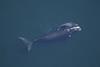
Right whale and calf

“There are some members of Congress who have experienced this firsthand and can talk very directly about the benefits of recreational fishing and boating on personal health and all of the things associated with getting to spend time on the water and not being in the Halls of Congress,” Waine said. Measurers working their way through the Congress include mandates to engage stakeholders earlier in the rulemaking process, delayed implementation of the rule awaiting technological solutions for spotting whales, and withholding funding for implementation of the rule.

In a US political environment that sees little cooperation between opposite sides in the lawmaking process, outdoor recreation – especially boating and fishing – enjoy broad support from those with vastly disparate political points of view.

“The economic impact on our nation’s GDP [gross domestic product] and that it’s a really healthy activity for people to engage in and that doesn’t have political ties to it. Acknowledging the importance of it to the economy and the importance of it as a recreational activity for all Americans is why it’s bipartisan in nature,” Waine said.

While NOAA has indicated changes to the rule as originally proposed, no details were forthcoming. The final rule is supposed to be published prior to the end of the year, but the process has been delayed at several points along the way.

North Atlantic Right Whale Vessel Strike Risk Reduction Technology workshop is scheduled for 5 & 6 March, in Washington, DC to begin in earnest a coordinated effort by all involved in hopes of speeding along technological developments.