




A chip embedded within the hull of a boat can generate a comprehensive list of digital documentation when scanned by a mobile phone or tablet
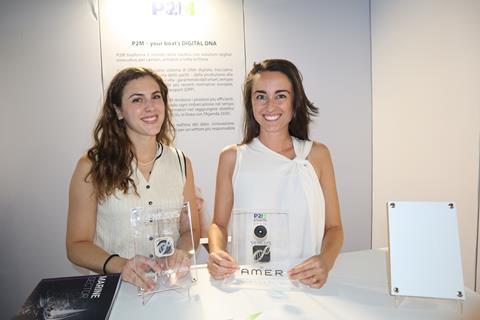
Winning an innovation award at the 2025 Genoa Boat Show was the Gene.sys P2M system, based on a device about the size of a large coin. When activated, it allows boatbuilders to assign a complete history of documentation to a specific boat.
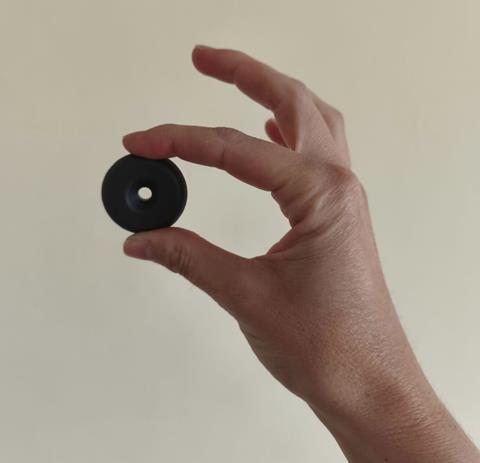
In much the same way as you would microchip a pet, the Radio Frequency Identification (RFID) device is buried within the hull during construction, although retrofit is entirely possible. The casing has been especially hardened to allow it to survive an autoclave, injection moulding or resin infusion process. There is no battery in the chip, so no servicing is required. Instead, the radio energy from a mobile device being passed over it causes it to activate, enabling the chip to stay dormant within the hull from construction to eventual end-of-life.
During that time, the chip uniquely identifies that specific boat, and links it to a dedicated database. This database includes all the build plans, equipment installation, technical archive, photo albums, user manuals and electrical and mechanical schematics for that specific vessel. These are all available in multiple languages should the boat change hands or need to be worked on when overseas. The database can be updated and revised as new equipment is added, or compliance certificates issued.
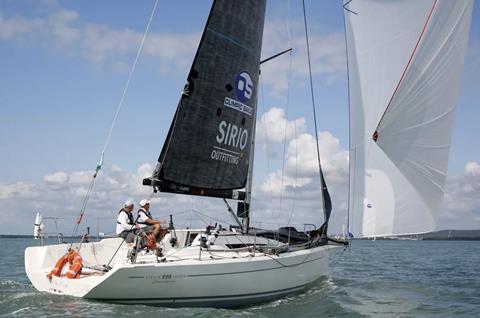
One of the first OEMs to use this system is Italia yachts, a company that is chipping all its new boats and placing absolutely everything a future owner might need on the database. This saves having to carry a large library of paper documents on board, and also makes finding specific information much easier. Just pass a phone or tablet across the area where the chip is buried (this is clearly marked) and the data is immediately accessible. (As a security measure, another RFID chip could be hidden in an undisclosed location, so only the owner, insurance company or law enforcement officers could find it to confirm the identity of a stolen boat.)
Commenting on their decision to use this unique identifier, Italia Yachts remarked “Having Gene.sys on board means gaining access to each boat’s full history, from types of paint used to engine model and sail management. This beacon of innovation streamlines maintenance and repairs, heralding a future where technology and sustainability align perfectly. Italia Yachts is boldly charting this course, ready to conquer new horizons in the world of yachting”.
A simpler version of the system is also available, where a sticker on board steers the owner towards a database that is just for the storage of critical documents. There is also an interactive checklist, and as an extension of the system, sensors can be installed around the vessel to deliver predictive alerts.
The Gene.sys P2M service not only allows the owner to manage the boat’s documentation, compliance, and maintenance throughout its life, the comprehensive listings will also help when it comes to decommissioning and eventual end-of-life processing. In that respect, ‘chipping’ the boat with this device is a form of future proofing for when regulations about boat disposal tighten, or if new processes become available to make the scrapping and recycling much easier.
P2M was founded in 2023 with the aim of developing a new approach to Manufacturing Execution systems. Composed of a team of engineers specialising in mechanical, naval, aerospace, and chemical processing, the company aims to improve the quality and control of all aspects of manufacturing, so the offerings go well beyond just RFID chipping.




 LinkedIn
 X / Twitter
 Facebook
 Email us