



WAVS taskforce calls the mid-week announcement an “exciting and needed development”

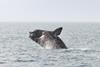
US$6m in Inflation Reduction Act funds will go to support grants for projects developing technology to reduce the risk of vessel strikes, a threat to endangered North Atlantic right whales (NARW) and other marine mammals, the Biden administration announced Wednesday; a portion of which could go to marine industry companies already well on the way to developing those technologies.

The marine industry and other impacted groups have been pushing technology as a better risk reducer than NOAA’s proposed vessel speed rule limiting boats 35ft and over to a 10kt speed limit and other restrictions along most of the US Eastern seaboard.

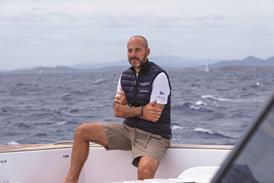
The industry has also been calling for government assistance in expediting the technology, leading the Whale and Vessel Safety (WAVS) taskforce chair, John DePersenaire, to call the mid-week announcement an “exciting and needed development”.

“From the very beginning, we understood that it was going to be necessary that we needed other tools than just vessel speed and this development is a great opportunity to explore and commercialise those other tools, so we are very excited about what this could offer,” DePersenaire told IBI shortly after the grants were announced.

An e-mail from the National Oceanic and Atmospheric Administration (NOAA) Office of Protected Resources explains the grants will be administered through the National Fish and Wildlife Foundation (NFWF), which is the largest conservation grant administrator in the States.

“Just understanding the type of work that NFWF does, its reputation for supporting excellent work in innovation and challenging conservation issues; this is really a perfect fit for what we feel we need to deal with the management of the NARW,” DePersenaire said.

One advantage to the Fish and Wildlife Foundation administering the grants, DePersenaire added, was the ability to take advantage of the funding opportunity by for-profit companies.

“As we have always said – and I think NOAA recognises – the real innovation for a lot of these tech-based risk reduction tools is going to have to come from the private sector. That is where the innovation is, that is where the expertise in this field is. This is the perfect pathway to get those resources into the hands of the people that can really put their shoulder to the grindstone and get the work done.”

With many of these innovators as part of WAVS, DePersenaire is exploring the possibility of the group coordinating an effort toward winning a portion of the available funds.

“Figuring out the best way for us to put together a proposal that carries out the various different steps of risk reduction.

“We’ve always thought of this from a holistic standpoint and there are all these various components that have to take place. So, we’re trying to think about how we can, perhaps, put together a proposal that includes various different companies looking at various different components of risk reduction in this broad approach that we are looking at.”

NOAA writes that “This effort will further the goals and objectives of the North Atlantic Right Whale Vessel Strike Risk Reduction Technology Workshop,” which was hosted by the agency in March of this year gathering regulators, conservationists and commercial enterprises in Washington, DC.

The e-mail continues, “This grant opportunity is also part of a broader partnership between NOAA Fisheries and the Foundation that directly supports the North Atlantic Right Whale Road to Recovery, the agency’s comprehensive plan to recover the species.”

There are approximately 360 individual right whales remaining, including fewer than 70 reproductively active females.

NFWF will host a webinar on 30 May to provide information about the application process and funding priorities.