


CEO Alberto Galassi presents strong views in Financial Times interview as battle between Weichai and KKCG continues
With the crucial Ferretti Group shareholder meeting just nine days away, the war of words over the Italian yacht builder’s performance and the role of its leading shareholders is intensifying.
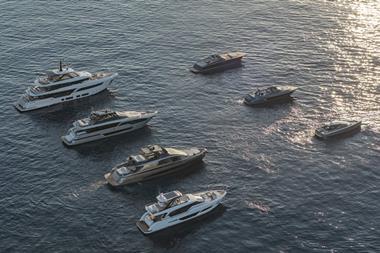
At the May 14 meeting, shareholders will vote on the future board of directors. The outcome will reveal which of the two leading shareholders – Weichai or KKCG – has most influenced the board composition and, potentially, the future direction of the group and its seven brands.
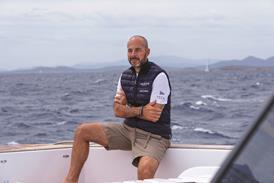
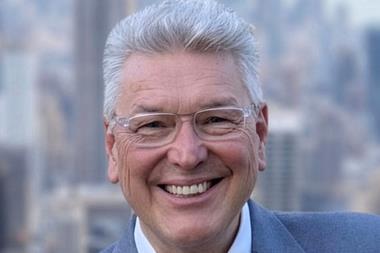
Over the past week, Ferretti Group CEO Alberto Galassi has made his views public through an interview with the Financial Times, making several key points:
- He said there was “a lack of industrial vision” and an aversion to risk by the Chinese Weichai directors, which was holding back the luxury yacht builder
- Galassi indicated that “management changes at Weichai have constrained decision making at Ferretti and the lack of industrial vision is weighing negatively on the group”
- He criticised the Chinese shareholder’s strategic and capital allocation decisions
- Galassi suggested that Weichai’s decision-making has slowed following the departure of former chair Tan Xinguang in 2024
- He highlighted Weichai’s decision to close the Ferretti Security Division, which constructed fast boats for security forces, “as a grave mistake”
Galassi was appointed CEO in 2014, two years after Weichai acquired a 75% majority stake in Ferretti Group in 2012.
Since January, an intense power struggle has been underway between Weichai, which now holds approximately 39.5% of Ferretti Group through its wholly-owned subsidiary FIH (Ferretti International Holding), and KKCG, the Czech investment group run by Karel Komarek and headquartered in Lucerne.
Following share purchases by Weichai beginning December 11, KKCG announced in January it would launch a public offer to buy up to 15.4% of Ferretti SpA shares, aiming to increase its stake to 29.9%. While the offer had limited success, KKCG’s holding in Ferretti SpA now stands at approximately 23.2%.
Leading up to the May 14 meeting, both Weichai and KKCG have put forward their candidates for board director positions. Galassi and Komarek are reportedly working together on this, and it is assumed Galassi would retain his CEO position.
By contrast, Weichai has not proposed a specific candidate for CEO but has put forward Tan Ning, an executive director, as chair.
The future strategic direction of Ferretti Group is the central issue in this dispute. KKCG supports expanding the group through acquisitions in the recreational marine sector and developing its defence activities to meet growing demand in the global military sector.
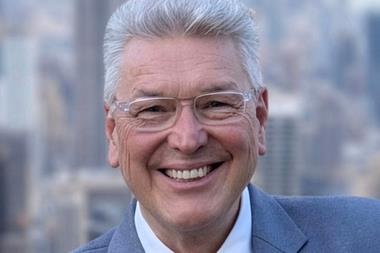
Komarek reportedly views Ferretti Group’s future as a “consolidator” in the leisure boat market.
He is quoted by Reuters as saying: “We clearly see the value which can be created via the acquisition in various chains, either throughout the services and supply chain, or by consolidating the market when it comes to potential shipyards and brands.”
Komarek indicated it was “absolutely logical” for Ferretti to expand its involvement in the “navy and security businesses and serve (other) countries in the European Union as well as Italy.”
He also suggested that: “If there is an M&A deal which requires more capital, we definitely are willing – if there is a good return on investment and the strategy fits – to support and to invest more money into the company alongside other investors,” he told Reuters.
The shareholder proxy vote comes at a challenging time for the group and other leading players in the superyacht market. The Middle East conflict and volatile financial markets have reportedly resulted in canceled orders.
According to the FT interview report, Kepler, a financial and investment analyst, has estimated that Ferretti’s orders in its first quarter could fall by 30% compared to the same quarter of last year.
Consistent with this outlook, Galassi indicated that Weichai cannot rely on organic growth given the current challenges facing the group. He further noted that acquisitions of distributors and suppliers have not gained backing from some group directors.
Galassi told the FT: “We cannot simply build 100 more boats… our business model is based on scarcity. We have lots of excess cash. It’s a golden opportunity (referring to mergers and acquisitions) but there has been no willingness to take the risk.”

 LinkedIn
 X / Twitter
 Facebook
 Email us